Taming the Stress Response: The Power of the Relaxation Response
In our fast-paced, "always-on" world, stress has become an uninvited constant in our lives. We’ve all felt it—the racing heart, the tight jaw, and the restless mind. This is our body’s "fight-or-flight" response, a primal survival mechanism designed to protect us from immediate physical danger.
But what happens when our internal alarm system never turns off? Chronic stress can lead to serious health issues, from hypertension to anxiety. Fortunately, the late Dr. Herbert Benson, a pioneer in mind-body medicine and a Harvard physician, discovered a natural antidote: The Relaxation Response.
What is the Relaxation Response?
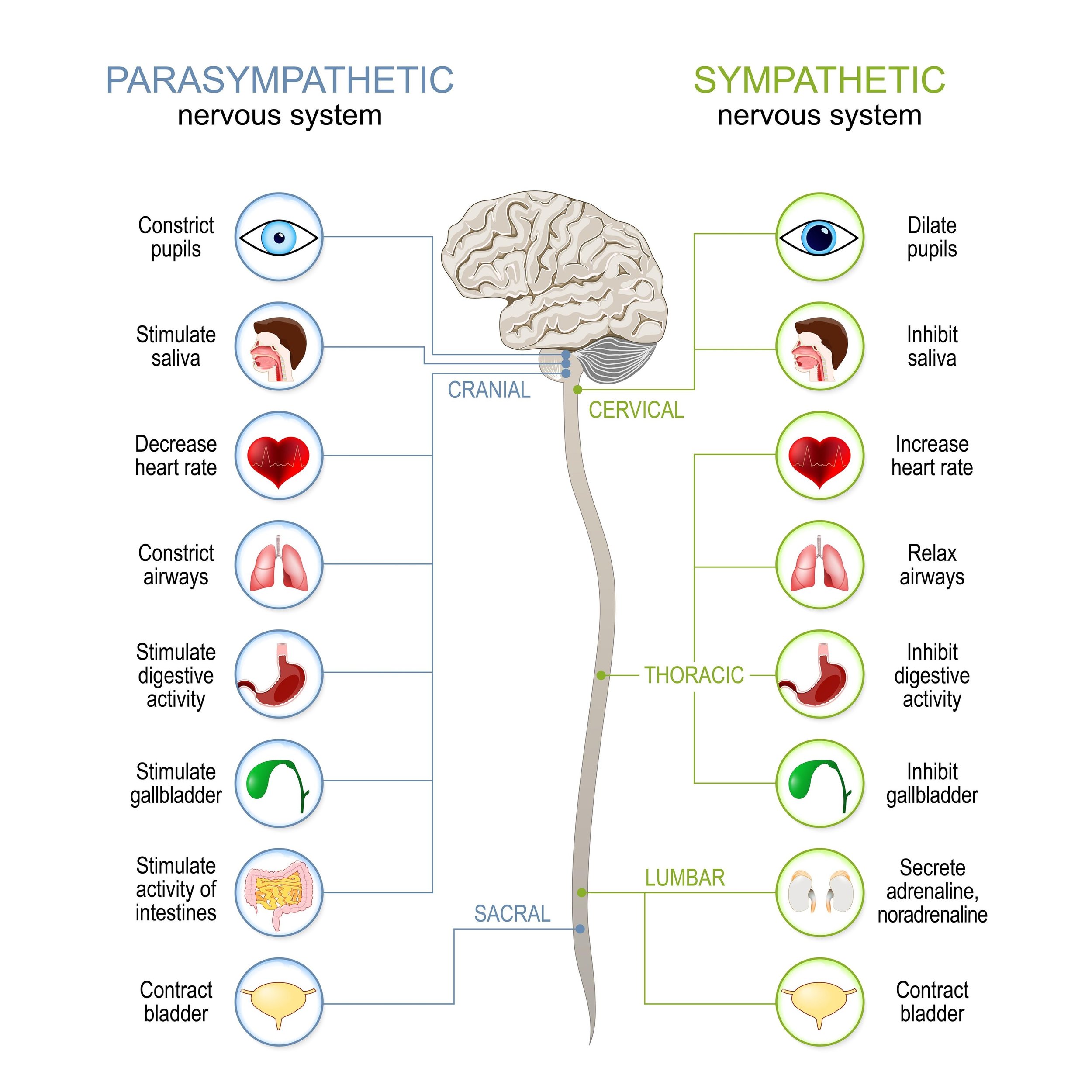
In his 1975 classic, The Relaxation Response, Dr. Benson described a physical state of deep rest that changes the physical and emotional responses to stress. Essentially, it is the polar opposite of fight-or-flight. When you elicit this response:
Your heart rate and breathing slow down.
Your blood pressure decreases.
Your muscles release tension.
Your brain waves shift into a calmer state.
Unlike a nap or watching TV, the Relaxation Response is an active mental process that requires specific steps to engage the parasympathetic nervous system.
How to Elicit the Response
Dr. Benson identified four essential components to trigger this state, though the first two are the most critical for daily practice:
A Quiet Environment: Find a place with as few distractions as possible.
A Mental Device: This is a point of focus. It could be a repetitive word (like "peace" or "one"), a short prayer, or even the sensation of your breath.
A Passive Attitude: This is the most important part. When thoughts inevitably wander, simply say, "Oh well," and gently return to your repetition. Do not get angry at yourself for being distracted.
A Comfortable Posture: Sit or lie in a way that allows your muscles to relax without falling asleep.
Dr. Benson recommended practicing this for 10 to 20 minutes, once or twice a day.
The Connection: Positivity and Relaxation Training
While the Relaxation Response provides the physiological foundation for calm, it is even more effective when paired with proactive mental habits. This is where Positivity and Relaxation Training (PART) comes in.
Developed by the Benson-Henry Institute, PART builds on Dr. Benson's work by incorporating cognitive behavioral skills and positive psychology. By combining the physical "reset" of the Relaxation Response with techniques to shift your mindset, you create a comprehensive toolkit for long-term health.
Ready to Build Your Resilience?
Understanding how to relax is the first step toward a healthier, more balanced life. But how is your body currently handling the pressures of your daily routine?
Take the first step toward lasting change today. Complete our Resilience and Wellbeing Assessment to discover your current stress baseline and receive personalized strategies to help you thrive, not just survive.
Take the Resilience and Wellbeing Assessment Now
Ready to transform how you handle stress?
Discover the science of the Relaxation Response and how to build your own "resiliency portfolio" through Positivity and Relaxation Training (PART). This evidence-based, 9-week immersive experience goes beyond basic stress management to help you master adaptive thinking and long-term emotional vitality.
Explore PART Training and Start Your Ascent
Take the next step in your wellness journey under the expert coaching of Michael Brand, a National Board Certified Health & Wellness Coach and Certified PART Instructor. Whether you are a professional looking to optimize performance or an individual seeking balance, Michael provides the high-touch support needed to integrate these somatic and psychological practices into your daily life.
Special Offer: Use code PART26 at checkout to receive $50 off your registration when you sign up this May!
